Accept Cookies?
We use cookies to personalize content and ads, provide social media features, and analyze our traffic. Click accept to agree to our use of cookies as per our Cookie Policy.
Stay Ahead. Stay Trendy
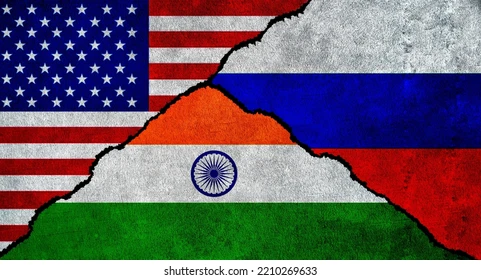
Table of Contents
ToggleThe current tensions between India and the United States over Russian oil imports have exposed the intricate web of global energy politics and the complex realities of international sanctions. While headlines focus on President Trump’s threats of tariffs against India for purchasing Russian crude, a deeper examination reveals a more nuanced picture of global energy dependencies and geopolitical pragmatism.
India imports around two million barrels of crude oil per day from Russia, making it the second largest purchaser of Russian oil after China. This represents a dramatic shift from pre-war levels, when Russia supplied under 100,000 barrels per day before the invasion — 2.5% of total imports — to more than 1.8 million barrels per day in 2023 — 39% of overall imports.
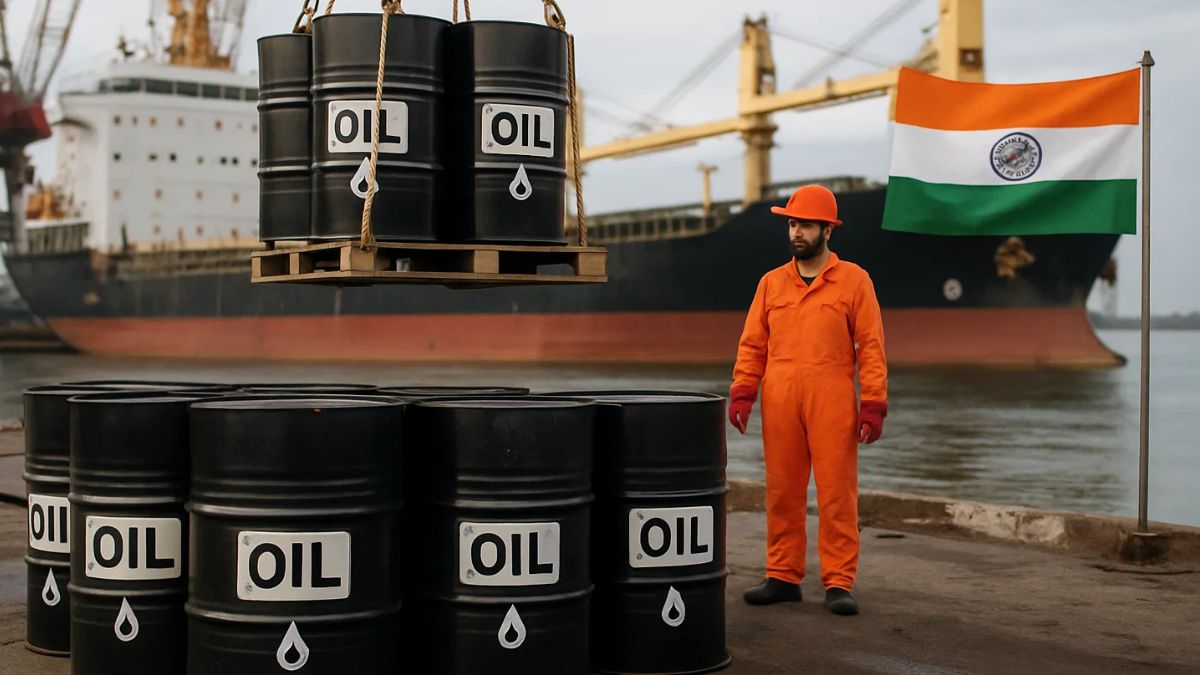
In 2024, India bought Russian oil worth more than US $47 billion, with 70% of Russian crude exported to India in 2024 according to the International Energy Agency. These figures underscore India’s emergence as Russia’s primary energy customer, a relationship that has become central to Moscow’s ability to maintain oil revenues despite Western sanctions.
India’s position on Russian oil imports is rooted in practical economic considerations rather than geopolitical alignment with Moscow. As the world’s third-largest oil consumer, India imports approximately 85% of its crude oil requirements. The country has consistently argued that energy security and affordability for its 1.4 billion citizens must take precedence over geopolitical pressures.
India said oil imports were meant to ensure predictable and affordable energy costs to the Indian consumer. This position reflects India’s historical approach of strategic autonomy in foreign policy, where New Delhi has sought to balance relationships with multiple powers while prioritizing national interests.
The economic rationale is compelling. Russian oil has been available to India at significant discounts compared to other suppliers, helping the country manage inflation and energy costs for its massive population. For a developing economy with substantial poverty levels, these savings translate directly into improved living standards and economic stability.
India’s response to American pressure has highlighted what many analysts see as inconsistencies in Western sanctions policies. Indian officials have been quick to point out that while the United States criticizes India’s energy imports from Russia, America itself continues to import critical materials from Russia.
Despite comprehensive sanctions on Russian energy exports, the United States has maintained significant imports of Russian uranium and nuclear fuel. Imports of enriched uranium from Russia amounted to only about 312 tons in the first nine months of 2024—less than half of the total imports from Russia in 2023 (over 700 tons).
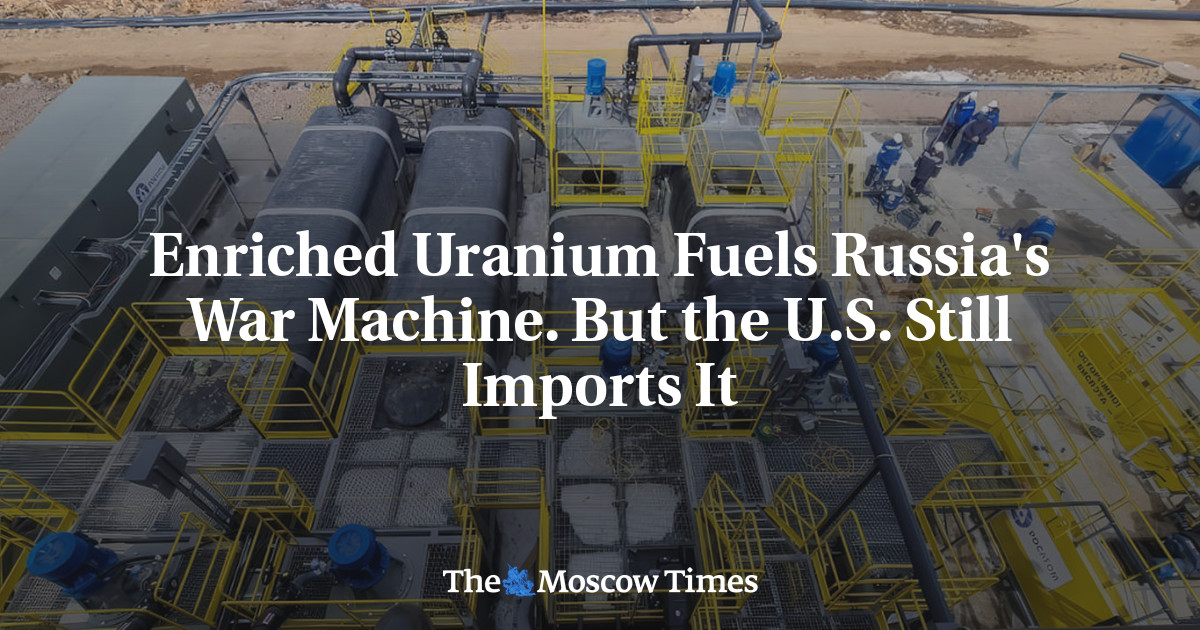
While President Biden signed into law The Prohibiting Uranium Imports Act on May 13th, 2024, the legislation includes substantial waiver provisions. The prohibition is subject to a waiver authority that permits the Secretary of Energy to authorize LEU imports from Russia in each of calendar years 2024 through 2027.
This selective approach to sanctions has not gone unnoticed in New Delhi, where officials argue that if energy security justifies American uranium imports from Russia, the same logic should apply to Indian oil purchases.
The complexity deepens when examining European Union policies. The EU still imports 19% of its LNG from Russia, according to data from the first quarter of 2025 from Eurostat. This continued energy relationship exists alongside EU criticism of India’s oil purchases, creating what Indian officials describe as a double standard in international energy policy.
Perhaps most striking in the current debate is the differential treatment of China and India regarding Russian energy imports. China has arguably been Russia’s key economic lifeline, leading to accusations that Beijing is indirectly helping Moscow in its war on Ukraine, yet China has faced less direct pressure from the Trump administration.
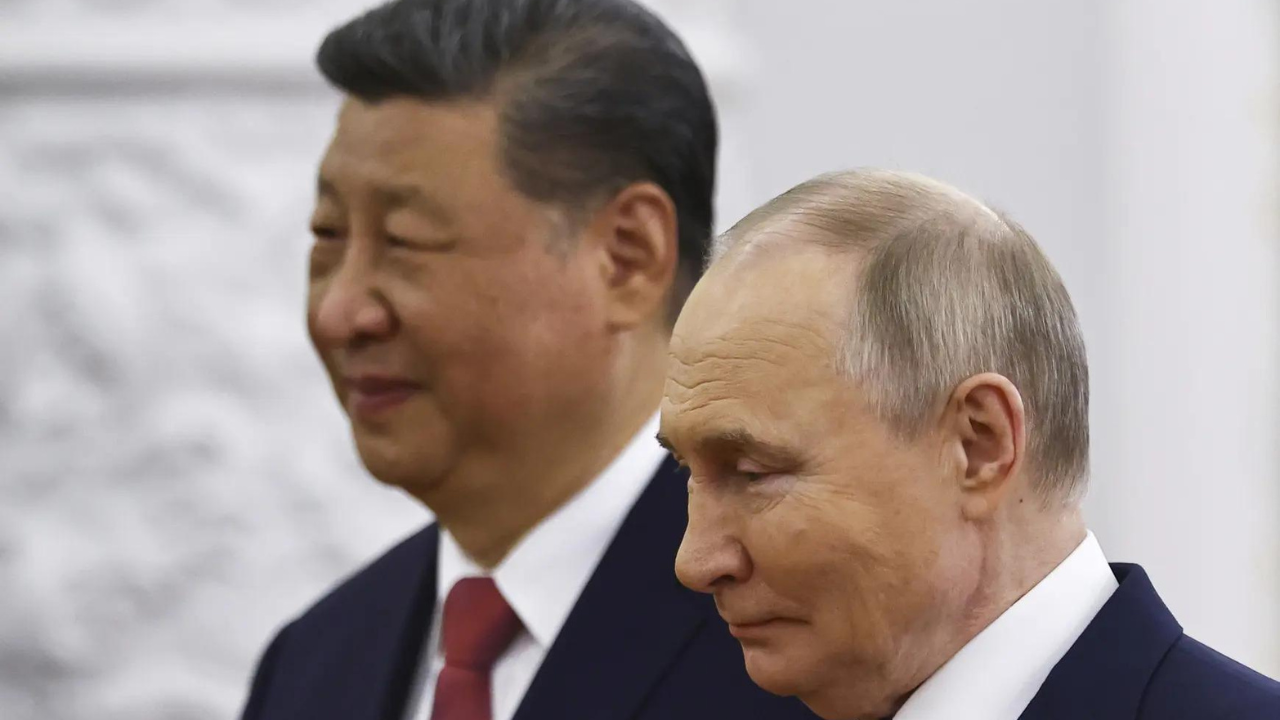
This disparity has raised questions about the strategic coherence of American policy toward major Russian energy customers. While both countries import substantial quantities of Russian oil, the political rhetoric and threatened consequences have been markedly different.
The current tensions represent a significant shift in U.S.-India relations under the Trump administration. The two countries have annual bilateral trade of $128bn, but Trump has been pushing to lower the $45bn deficit in India’s favour. The Russian oil issue has become entangled with broader trade disputes between the two nations.
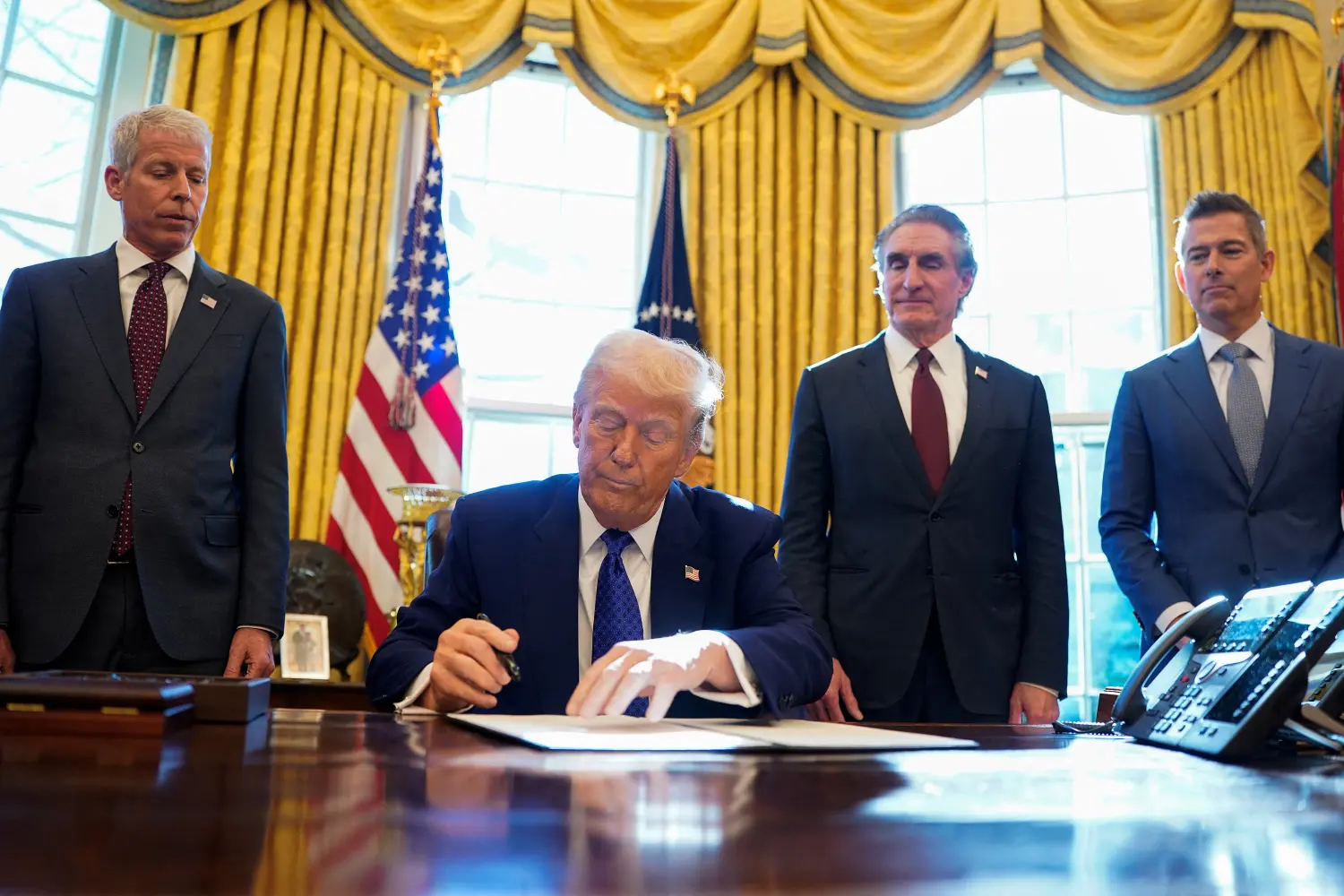
Trump’s earlier threat of 25 percent tariffs on Indian goods represents a dramatic escalation in trade tensions. However, this approach has drawn criticism from various quarters, including some American analysts who argue that alienating India could undermine broader U.S. strategic interests in the Indo-Pacific region.
The current dispute occurs against the backdrop of what had been a strengthening strategic partnership between India and the United States. Over the past two decades, the relationship had evolved from Cold War-era tensions to comprehensive cooperation on defense, technology, and regional security.

The US also saw India as a bulwark against Chinese influence in the region, making the current tensions particularly counterproductive from a strategic perspective. Many analysts argue that pressuring India over energy purchases risks pushing New Delhi toward closer ties with Moscow and Beijing, undermining decades of diplomatic progress.
The focus on trade disputes and energy imports has overshadowed more pressing regional security concerns. Pakistan’s role in regional stability, including its historical connections to international terrorism and ongoing security challenges, receives less attention in current U.S. policy discourse than India’s energy purchases.
This prioritization has puzzled many Indian analysts, who argue that America’s focus should be on substantive security partnerships rather than energy market dynamics that reflect global economic realities rather than geopolitical alignment.
The fundamental challenge in the current dispute lies in reconciling political rhetoric with economic realities. Russian oil remains a legal commodity in international markets, despite sanctions on other sectors of the Russian economy. The oil India purchases is not technically sanctioned under current international law, making American pressure largely political rather than legal.
Furthermore, the integrated nature of global energy markets means that pressuring individual countries to avoid specific suppliers can have limited effectiveness. Oil markets are fungible, and restrictions on one buyer often simply redirect supplies to other purchasers without significantly impacting the overall market dynamics.
Resolving the current tensions will likely require a more pragmatic approach from all parties involved. For India, this may mean gradually diversifying energy suppliers as alternative sources become more cost-effective. For the United States, it may require recognizing the legitimate energy security concerns of partner nations while working toward longer-term strategic goals.
The path forward likely involves distinguishing between tactical energy purchases and strategic geopolitical alignment. India’s energy imports from Russia reflect economic pragmatism rather than political support for Russian policies, and treating them as equivalent risks misunderstanding the nature of international relations in a multipolar world.
The current India-USA tensions over Russian oil imports highlight the complexities of implementing sanctions in an interconnected global economy. While political rhetoric often demands clear-cut positions, the realities of energy security, economic development, and strategic partnerships require more nuanced approaches.
The challenge for policymakers lies in balancing moral imperatives around international law and aggression with practical considerations of energy security, economic development, and strategic partnerships. Success will likely depend on recognizing these complexities rather than demanding simple solutions to multifaceted problems.
As global energy markets continue to evolve and geopolitical tensions persist, the India-USA-Russia triangle serves as a case study in the challenges of 21st-century diplomacy, where economic interdependence and political objectives often exist in tension rather than harmony.
The ultimate resolution of these issues will likely require all parties to prioritize long-term strategic interests over short-term political gains, recognizing that sustainable solutions must account for the legitimate concerns and constraints faced by all stakeholders in an increasingly complex international system.
We use cookies to personalize content and ads, provide social media features, and analyze our traffic. Click accept to agree to our use of cookies as per our Cookie Policy.